
Universal Century viewing guide: where to start & watch order
Navigate the Universal Century with recommended entry points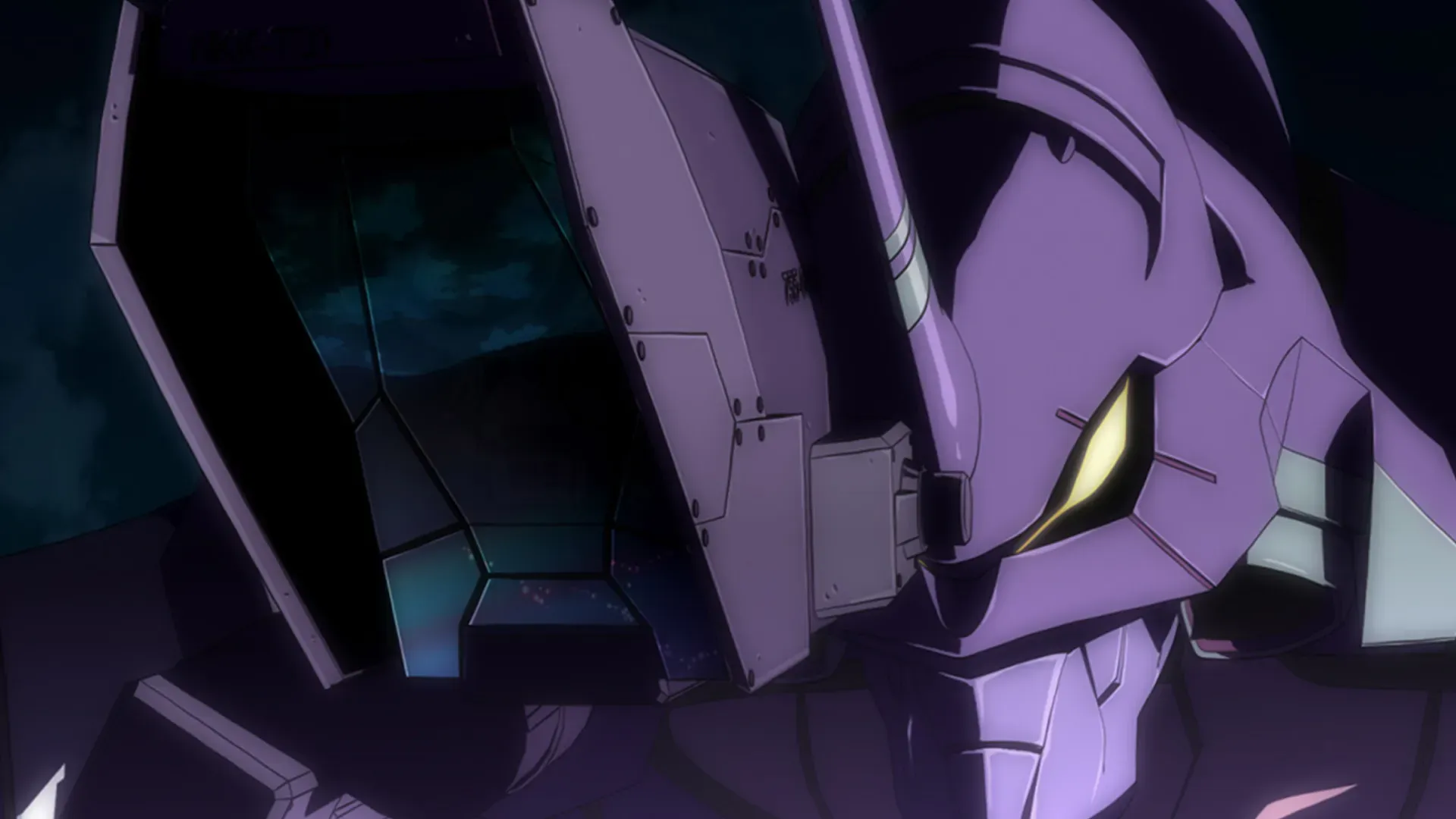
The Universal Century is Gundam’s original and most expansive timeline, spanning from UC 0079 to UC 0153 and beyond—over 40 anime series, films, and OVAs telling 70+ years of in-universe history. For newcomers, that’s overwhelming: where do you even start?
This guide cuts through the confusion. I’ll recommend three entry points based on your preferences, explain chronological versus production order, and tell you what’s safe to skip. Whether you want the complete saga or just the highlights, you’ll know exactly where to begin your Universal Century journey.
Pick your starting point
Option 1: Mobile Suit Gundam (1979) — the foundation
Best for: Viewers who want the complete experience, appreciate older anime, or plan to watch multiple UC series.
Mobile Suit Gundam is where it all began: Amuro vs Char, the One Year War, and every UC concept—Newtypes, Zeon vs Federation, Minovsky physics—established in one story. Every subsequent UC series builds on this foundation. References in later shows will make far more sense if you start here.
You can watch the TV series (43 episodes, original 1979 broadcast) or the compilation trilogy (Movie I/II/III), which condenses the story with new animation. Choose the TV series for the complete story; choose the films if you’re short on time.
What to expect: 1970s animation (dated visuals, timeless story), slower pacing that builds the world methodically, and war drama focus rather than constant action. The characters are complex—no clear heroes or villains. If you can handle 1979 animation and patient storytelling, starting with the original gives you the foundation every other UC series assumes you have.
Option 2: Gundam Unicorn (2010) — the modern gateway
Best for: Modern anime viewers, anyone intimidated by 1979 animation, or people who want stunning visuals first.
Gundam Unicorn is a modern OVA (2010–2014) with spectacular animation. It stands alone narratively whilst rewarding prior knowledge: it introduces UC concepts gradually and works as both sequel and entry point. You’ll get seven episodes of action-packed mobile suit battles and Newtype philosophy without needing to have seen the older shows—though knowing Mobile Suit Gundam and Char’s Counterattack enriches it.
If 1979 animation is a deal-breaker, start here. You’ll get hooked by the production values, then you can go back and fill in the One Year War and Char saga that Unicorn references.
Option 3: Gundam Thunderbolt (2015) — the side story sampler
Best for: Viewers who want UC flavour without a long commitment, or who love jazz and a grittier tone.
Gundam Thunderbolt is short (8 episodes or 2 compilation films), set during the One Year War but as a standalone side story. The December Sky film in particular is incredible. You get mature, grounded storytelling, a free-jazz soundtrack during battles, and no filler—just the brutality of the Federation vs Zeon conflict on a smaller, more intimate scale.
Thunderbolt gives you concentrated UC in under two hours. You’ll understand the One Year War’s cost, the Federation vs Zeon dynamic, and what makes UC distinct—all with modern visuals and an unforgettable soundtrack.
Watch order: chronological or production?
For first-time viewers, production order is better than strict chronological order.
Production order follows how Sunrise made the shows: Mobile Suit Gundam → Zeta Gundam → Gundam ZZ → Char’s Counterattack → Gundam Unicorn. References and callbacks work as intended, and you avoid jarring jumps—for example, watching Gundam: The Origin (2015) before MSG (1979) means going from modern animation to 1970s visuals, which can put people off.
Chronological order (in-universe timeline) is rewarding for rewatches or completionists, but for a first run, stick to production order. Watch the main saga first, then branch into side stories like War in the Pocket, 08th MS Team, Stardust Memory, and Thunderbolt once you have that foundation.
The essential Universal Century
The core saga to watch in order:
- Mobile Suit Gundam (1979) — One Year War, Amuro vs Char begins
- Zeta Gundam (1985) — Gryps Conflict, Kamille’s tragedy
- Gundam ZZ (1986) — First Neo Zeon War, Judau’s growth
- Char’s Counterattack (1988) — Second Neo Zeon War, Char vs Amuro ends
- Gundam Unicorn (2010) — Laplace Incident, Newtype possibility
These five tell one continuous story from UC 0079 to UC 0096. Watch them in order and you’ll have the essential Universal Century arc: war’s beginning, victors becoming oppressors, the next generation inheriting conflict, and the final confrontation between the original rivals.
Expanding the One Year War
After Mobile Suit Gundam, these side stories enrich the era without being required:
- 0080: War in the Pocket — Civilian perspective, tragedy, 6 episodes
- 08th MS Team — Ground warfare, 12 episodes
- 0083: Stardust Memory — Bridges MSG and Zeta, 13 episodes
- Thunderbolt — Grittier retelling, jazz soundtrack
- Gundam: The Origin — Char and Sayla’s backstory, 6 episodes
Pick the ones that interest you; they’re enrichment, not prerequisites for the core saga.
Beyond the Char saga
Late UC series (F91, Victory, Crossbone manga) take the timeline decades beyond Char’s Counterattack into new conflicts and a declining Federation. F91 and Victory Gundam are best tackled after you’ve finished the core saga and maybe a few side stories—they’re advanced viewing.
It’s okay to skip these
You don’t need to watch everything. G-Saviour (live-action) is widely panned. Narrative assumes you’ve seen Unicorn and is more of the same. Hathaway is ongoing—you can wait for more entries. Various SD Gundam series are comedic spinoffs. Recap episodes within series are skippable.
If you watch MSG, Zeta, ZZ, CCA, and Unicorn, you’ve experienced the essential Universal Century. Everything else is optional enrichment.
Your questions answered
Do I need to watch everything before Unicorn?
No. Unicorn works as both sequel and entry point. You’ll miss some references, but the story stands alone.
Are the compilation films enough, or should I watch the TV series?
The TV series has the complete story; the films condense it well. Choose based on time: TV for depth, films for efficiency.
Why do people skip ZZ?
The first half is comedic (tonal whiplash after Zeta). The second half is essential—it sets up CCA and Haman’s Neo Zeon. Recommendation: stick with it or skip to around episode 19 if you’re struggling.
Is chronological order ever better?
For rewatches, yes. Once you’ve seen production order, chronological can reveal new connections. For a first run, use production order.
Starting your Universal Century journey
Pick one of the three entry points (MSG, Unicorn, or Thunderbolt). If you start with MSG, follow the core saga in order. If you start with Unicorn, go back to MSG afterward, then Zeta, ZZ, and CCA. After the core saga, explore side stories that interest you.
The Universal Century rewards patience. Don’t rush. Take your time with the core saga, let the themes sink in, and add side stories when you’re curious. UC has 40+ entries because it’s been building for 45 years—you have time.
Ready to begin? Check out Mobile Suit Gundam, Gundam Unicorn, or Gundam Thunderbolt. For timeline overviews, character guides, and mecha references, visit the Gundam portal. Questions about watch order? Ask in our Discord—veteran UC fans are happy to help newcomers navigate.