
Gundam's greatest antagonists: more than just villains
Why Gundam villains are complex ideological opponents, not pure evil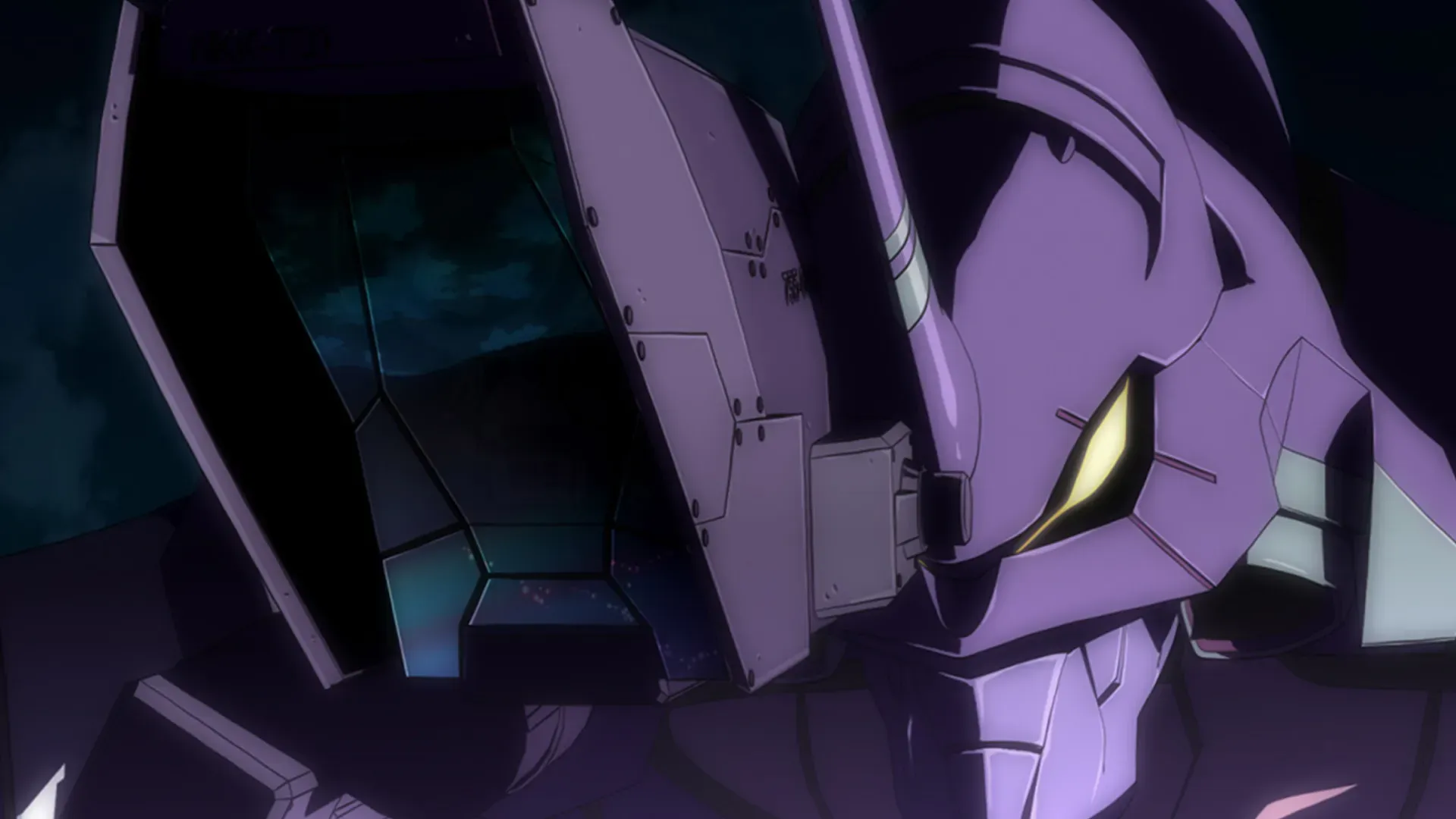
Gundam doesn’t have villains—it has antagonists. The difference matters. Villains are evil for its own sake; Gundam’s antagonists have sympathetic motivations, coherent ideologies, and often valid criticisms of the world. They’re opponents, not monsters.
Char Aznable (Universal Century)
Char is driven by revenge for his father’s death and then by a desperate belief that humanity must be pushed into space—even by dropping Axis. He evolves from avenger to revolutionary to accelerationist. He knows he’s been a “bad friend” to Amuro; he acts anyway. You can understand his frustration with a corrupt, stagnant Earth and still oppose his methods. That’s the point.
Haman Karn (Zeta, ZZ)
Haman fights to protect Mineva and restore Zeon’s legacy. She’s regent, then queen, then tragic tyrant. Her ideology—spacenoid independence through strength—is rooted in loss and responsibility. Her relationship with Judau reveals vulnerability; her death is lonely. She’s not evil; she’s carrying a burden that twists her.
Paptimus Scirocco (Zeta)
Scirocco believes Newtypes should rule and that women should lead—genuinely, in a 1985 show. He’s a manipulator who understands human weakness. His natural-selection-through-conflict creed is repellent, but his clarity about power and gender is part of what makes him memorable. “You’re just a little boy” cuts because it’s partly true.
Treize Khushrenada (Gundam Wing)
Treize wants to end war by perfecting it—honour in combat, mobile dolls as dishonour. He believes that only by understanding war’s “beauty” can humanity transcend it. He’s noble and insane; he chooses death over victory. His grief for every soldier is real. He’s the most philosophical antagonist in Wing and maybe in Gundam.
Rau Le Creuset (Gundam SEED)
A failed clone with genetic degradation, Rau believes humanity doesn’t deserve to exist and accelerates its self-destruction. His pain is real; his solution is monstrous. “Why do you wage war?” is the question he forces back onto the protagonists. He’s a dark mirror—what happens when suffering demands company.
Ribbons Almark (Gundam 00)
Created to guide humanity as an Innovator, Ribbons rejects his creators and seeks purpose through control. He’s a mirror of Setsuna: both weapons choosing a path. His tyranny is ideological—he believes artificial evolution justifies it—which makes him a proper antagonist rather than a mere obstacle.
The exception: Gihren Zabi
Gihren is what actual villainy looks like in Gundam—Zeon supremacy, fascist rhetoric, the Hitler parallel is intentional. He shows how rare pure evil is in this franchise. Most antagonists have a case to make; Gihren has only power and ideology without redemption. Characters like Jamaican Daninghan or Yazan Gable fill similar “true villain” roles in their arcs.
Why it matters
Gundam’s antagonists teach empathy. Understanding why someone would drop a colony doesn’t mean agreeing with it. Char is wrong to drop Axis; his frustration is understandable. Treize’s honour system is mad; his grief is genuine. The franchise trusts the audience to understand and oppose at the same time.
Debate who’s most sympathetic or who could have been redeemed in our Discord. Read the full articles: Char Aznable, Treize Khushrenada, and more in our Gundam portal.