
Evolution of Gundam design: from RX-78 to modern day
Tracing 45 years of mobile suit aesthetic evolution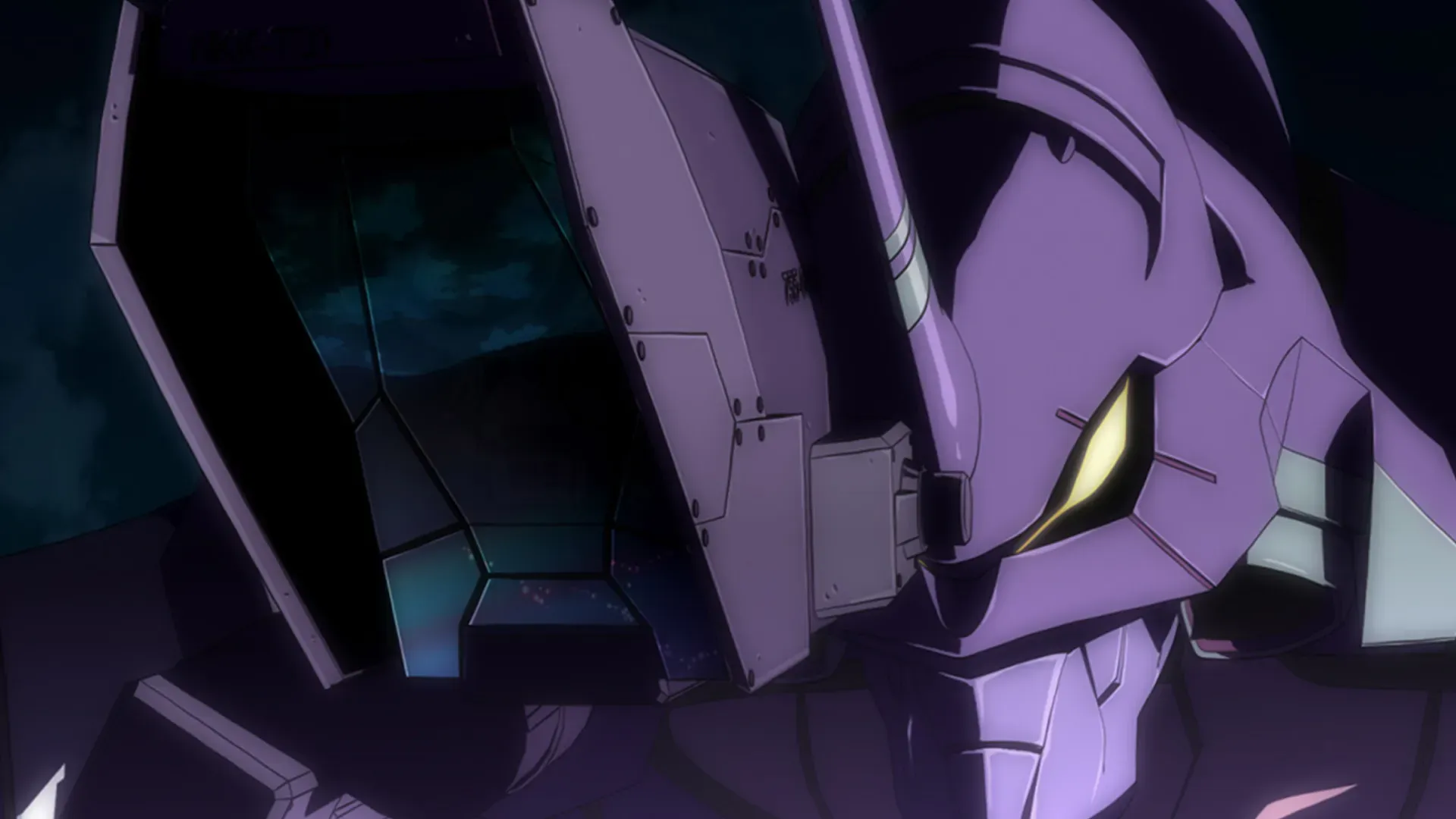
Gundam’s look has changed dramatically over 45 years—sleeker, more detailed, more varied—yet the template set in 1979 has never been abandoned. Here’s how we got from the RX-78-2 to Unicorn, Barbatos, and Aerial.
Foundation era (1979–1985): Okawara Kunio
Okawara Kunio designed the original RX-78-2 Gundam. The tricolour scheme (white, red, blue, yellow), V-fin, chin, and vents became the heroic Gundam template. Aesthetic priority was military functionality: a machine that could be mass-produced in fiction, not a one-off super robot. That template still defines “Gundam” today—every lead machine is measured against it.
Refinement era (1985–1995): Nagano Mamoru and others
The Zeta Gundam added transformation and a sleeker silhouette. The Nu Gundam introduced fin-funnels and Psycho-Frame. Alternate timelines (Gundam Wing) brought new proportions and details. Designs became more aggressive and visually complex whilst staying recognisably Gundam.
Katoki era (1995–2010): Ver. Ka and refinement
Katoki Hajime refined the Wing line for Endless Waltz—cleaner proportions, more realistic detail. His Ver. Ka Gunpla line and mechanical sheets influenced how Gundams were drawn everywhere: sharper, more consistent, less “chunky.” Katoki’s influence on modern Gundam aesthetics can’t be overstated.
Modern era (2010–present): diverse aesthetics
Unicorn made transformation a narrative device. 00 Raiser and later 00 machines pushed sleek, angular looks and particle effects. Iron-Blooded Orphans went brutal and functional (melee, armour, no beam-spam). Witch from Mercury’s Aerial brought organic, almost feminine lines. The V-fin and core Gundam language remain, but the range of styles—military, super-robot, mechanical, organic—is wider than ever.
What stayed the same
The V-fin is near-universal. Tricolour variations (white/blue/red/yellow) still read as “hero machine.” Proportions (head, torso, limbs) stay within a family even when details explode. Gundam design evolves by addition and reinterpretation, not by throwing the original away—which is why the RX-78-2 still feels like the same species as the latest hero machine.
For individual designs, see our mecha articles and the 10 most iconic Gundams. Design debates welcome in our Discord.